I am a plant ecologist who studies how plant traits interact with environmental conditions to determine population dynamics, range limits, community composition, and nutrient cycling. My work is conducted in the context of global change and ecological restoration.
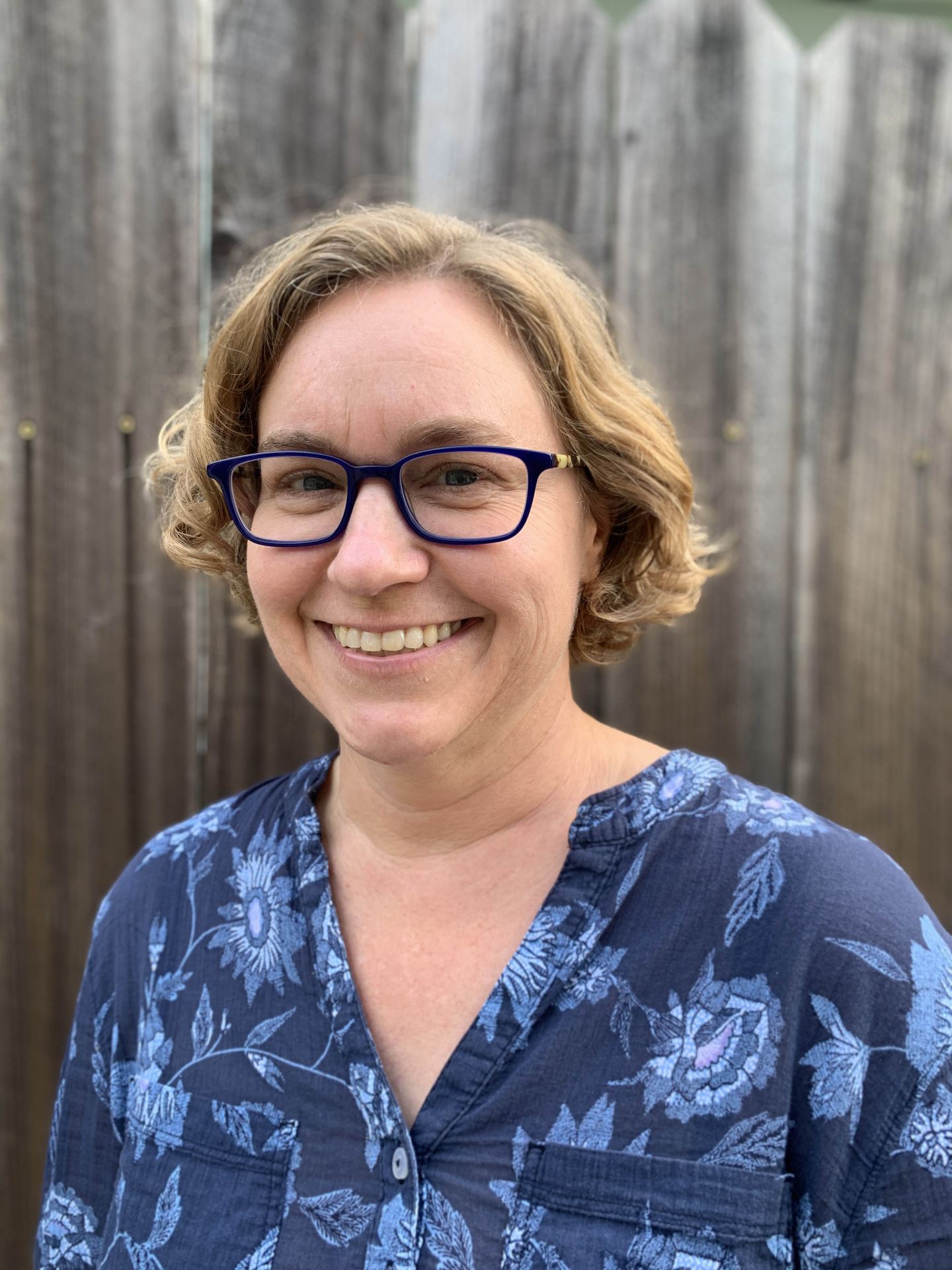
Sarah Kimball
Associate Professor in Residence, Dept. of Ecology and Evolutionary Biology
Director, Center for Environmental Biology
Director of Research and Partnerships, Environmental Collaboratory
SH 455
949-824-7151
skimball@uci.edu
Key Research Area
My research program is focused on the conservation and restoration of diverse biological communities. I collaborate with local conservation and restoration practitioners, educators, and students to build connections with nature.
Professional Bio
Associate Professor in Residence, Dept. of Ecology and Evolutionary Biology, Director, Center for Environmental Biology, Director of Research and Partnerships, Environmental Collaboratory, University of California, Irvine, 2023 – present
Associate Adjunct Professor, Masters in Conservation & Restoration Science Program, Assistant Director, Center for Environmental Biology, and Director of Research, Environmental Collaboratory, University of California, Irvine, 2019-2023
Assistant Adjunct Professor, Masters in Conservation & Restoration Science Program, Assistant Director, Center for Environmental Biology, University of California, Irvine, 2018-2019
Assistant Director and Project Scientist, Center for Environmental Biology, University of California, Irvine, 2013-2018
Project Scientist, Center for Environmental Biology, University of California, Irvine, 2011-2013
Postdoctoral Researcher with Amy Angert, Travis Huxman, and Larry Venable, University of Arizona, 2007-2011
Ph.D., University of California, Irvine, Nov. 2007
M.S., California State University, Northridge, Dec. 2001
B.S., Willamette University, Salem, Oregon May 1996